
How a frustrating room problem became an idea. And how I started looking for a plant room divider that could create a boundary without closing off our open-plan space.
ZEN YOUR SPACE
1. IT STARTED WITH A ROOM
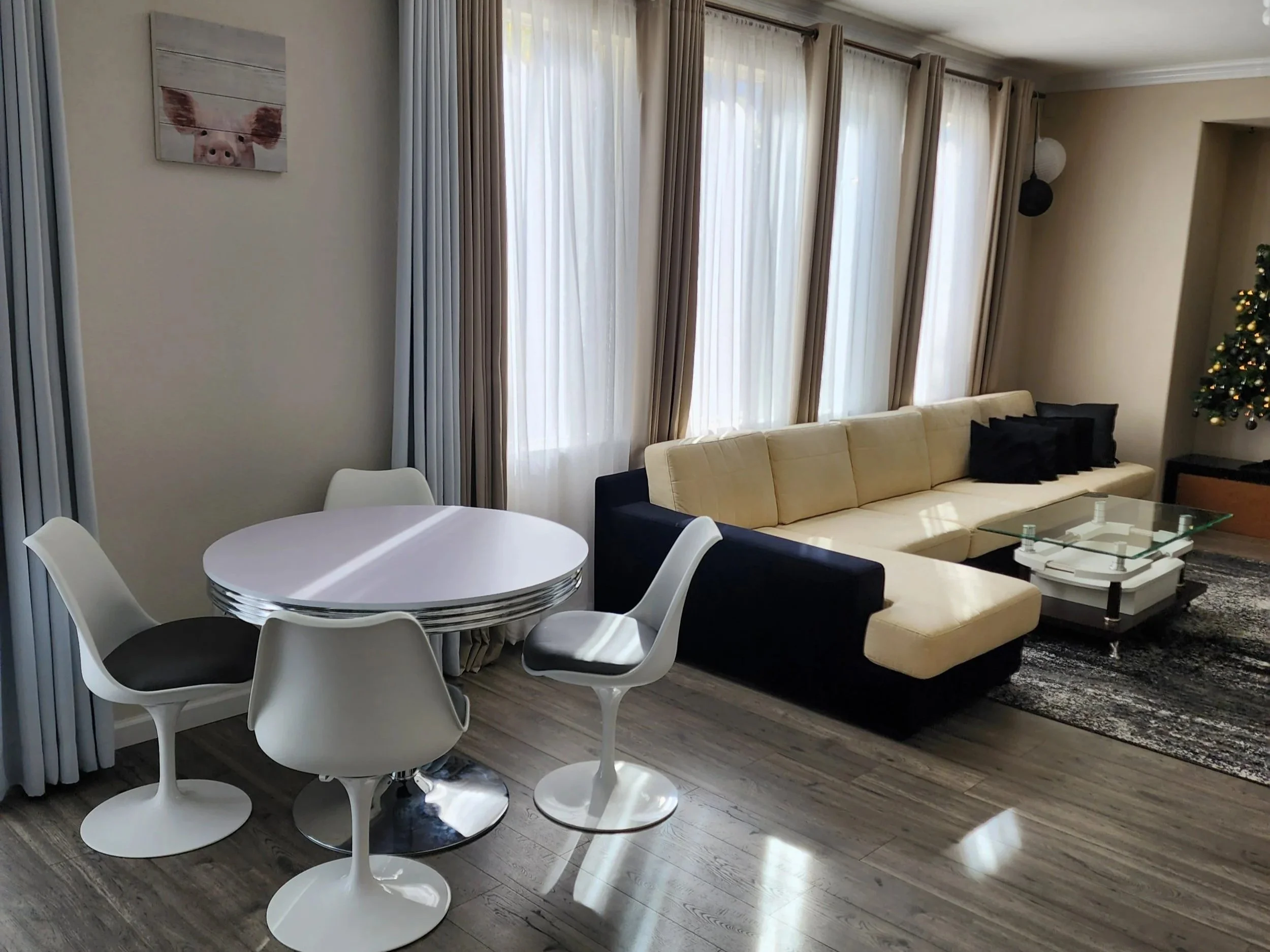
It started with a room that didn’t feel quite right.
I loved the openness of our home — until I realized that open space isn’t always easy space.
The dining area, living room and everything in between simply flowed into one another. I didn’t want to build a wall. I wanted separation without closing the room.
Something lighter.
Something living.
Something that could belong there.
2. I TRIED THE OBVIOUS THINGS
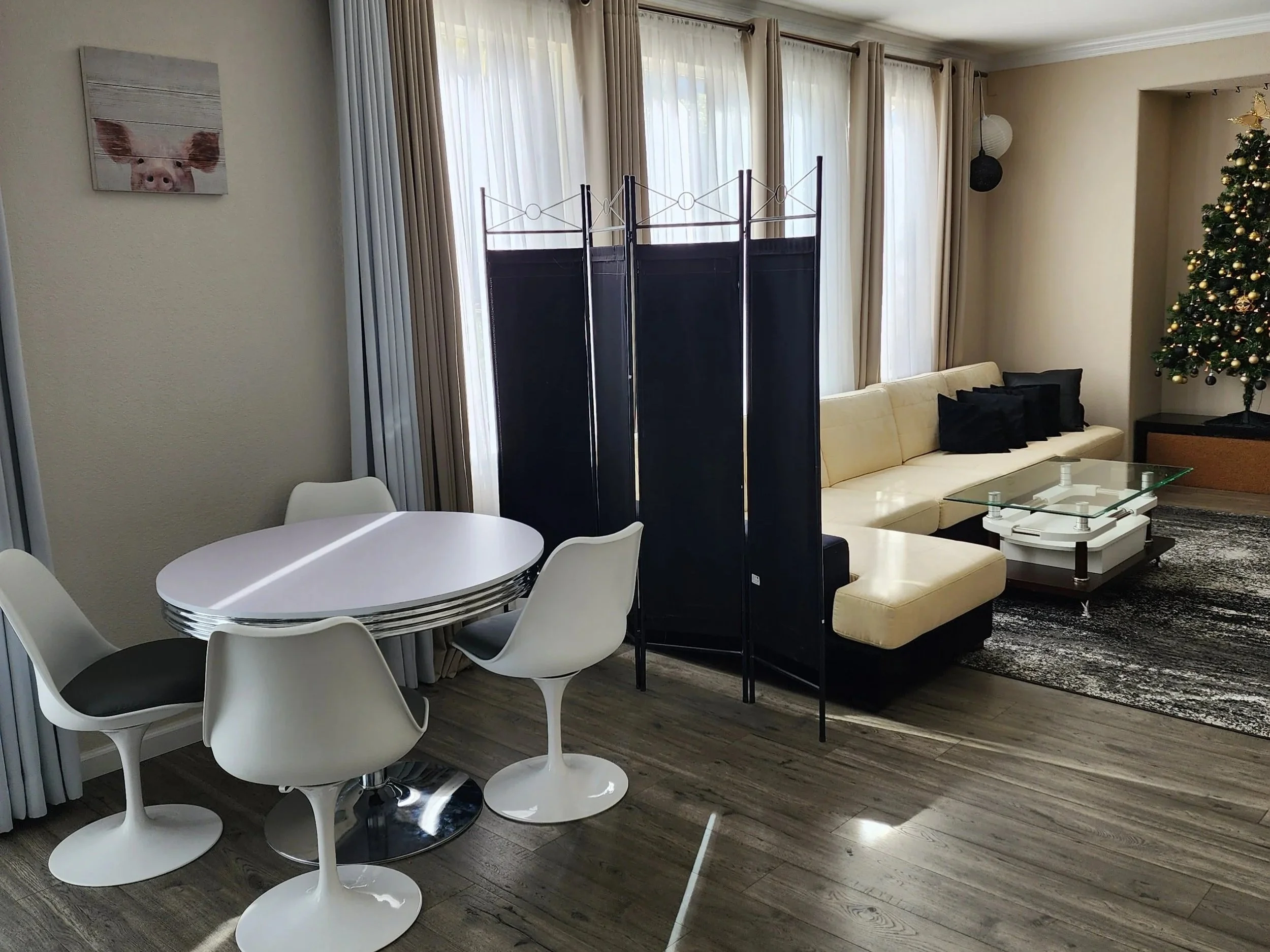
First, a room divider.
It divided the room. It also divided me from any desire to look at it.
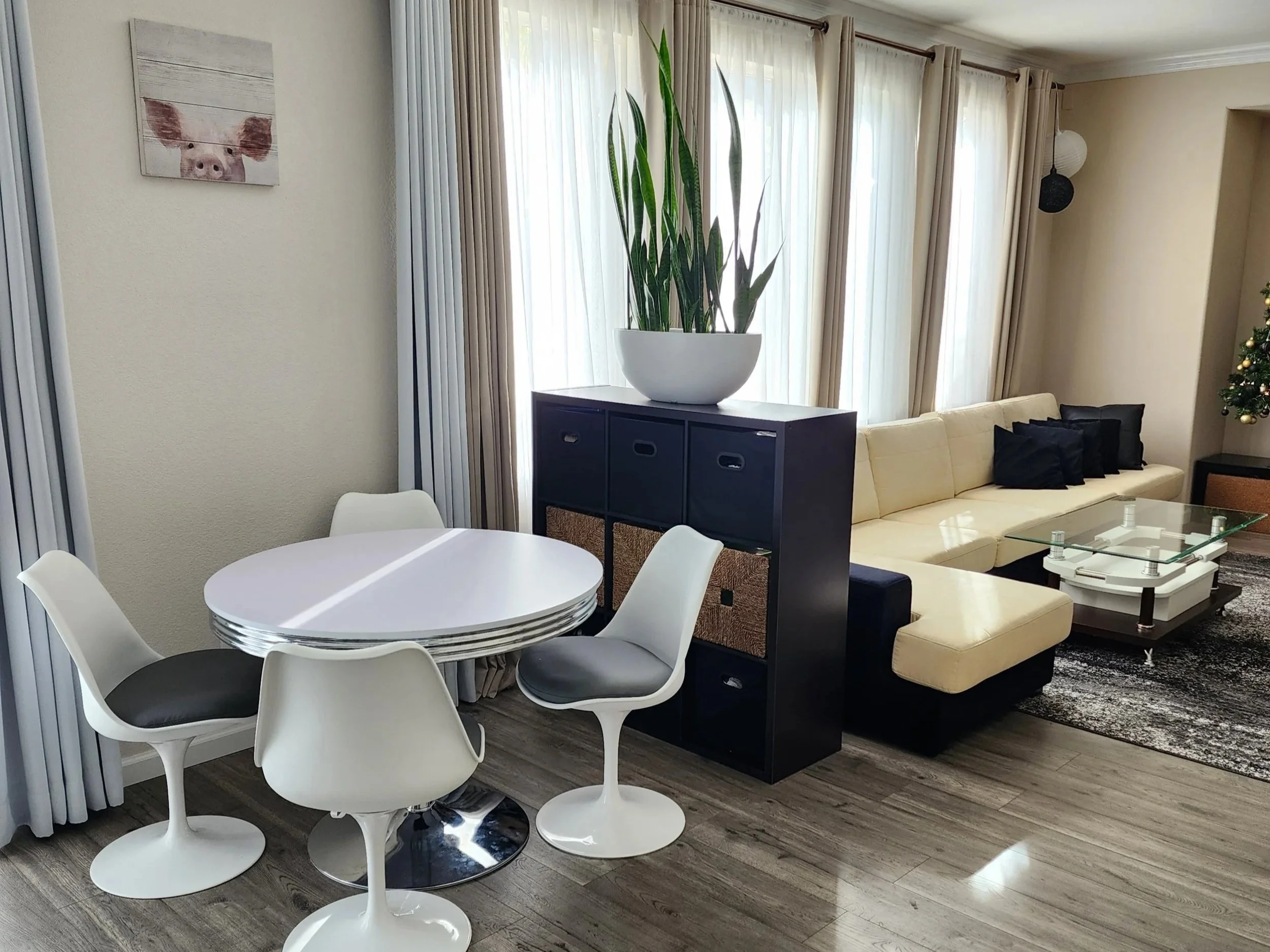
Then, furniture.
More useful. More substantial. And somehow even more wrong.
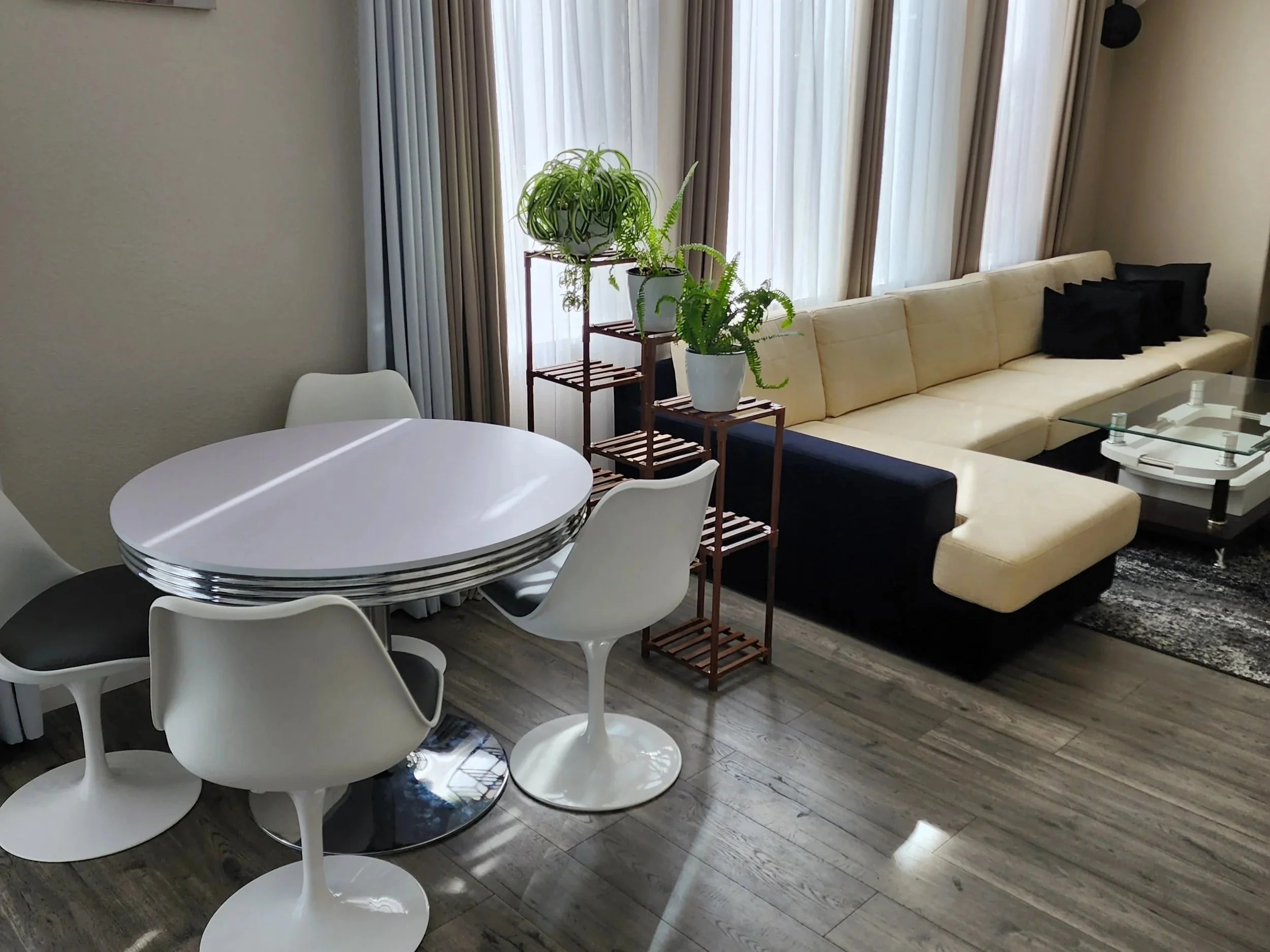
Then came plants.
That finally felt right — but the standard plant stands were too short, too rigid, and took up exactly the floor space I was trying to keep open.
3. THEN I REMEMBERED SOMETHING
The plants felt right.
Of everything I tried, they were the only solution that made the room feel better instead of simply dividing it.
And then I remembered an old planter I had made years before.
At the time, we lived in a much smaller home, and I was simply trying to solve another space problem: how to fit more plants into less space.
So I made this.
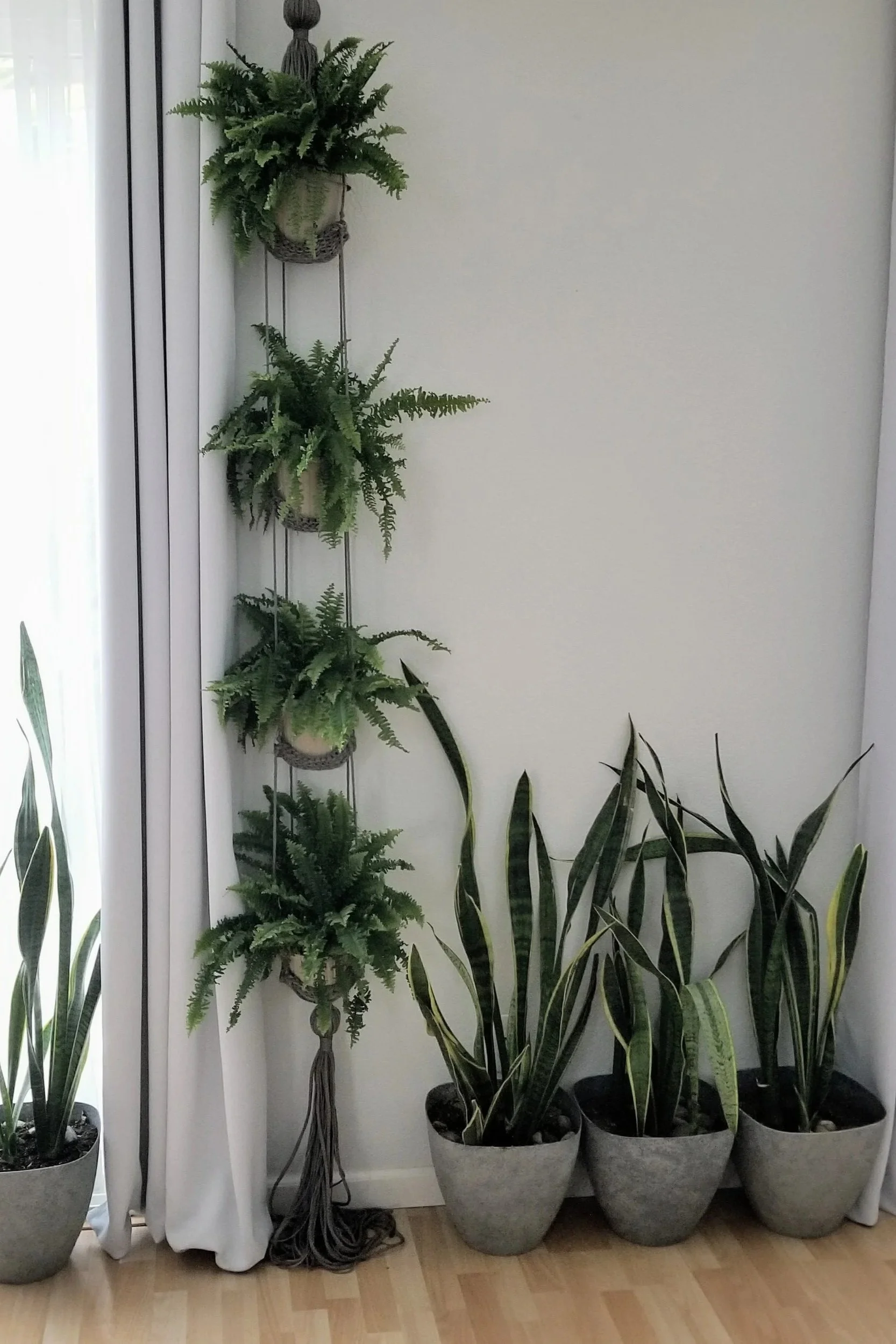
4. NOT THE ANSWER. BUT THE BEGINNING.
I kept thinking about that old vertical planter.
But this time, I wasn’t trying to fill a wall.
I wanted to create one.
And then I had a very simple thought:
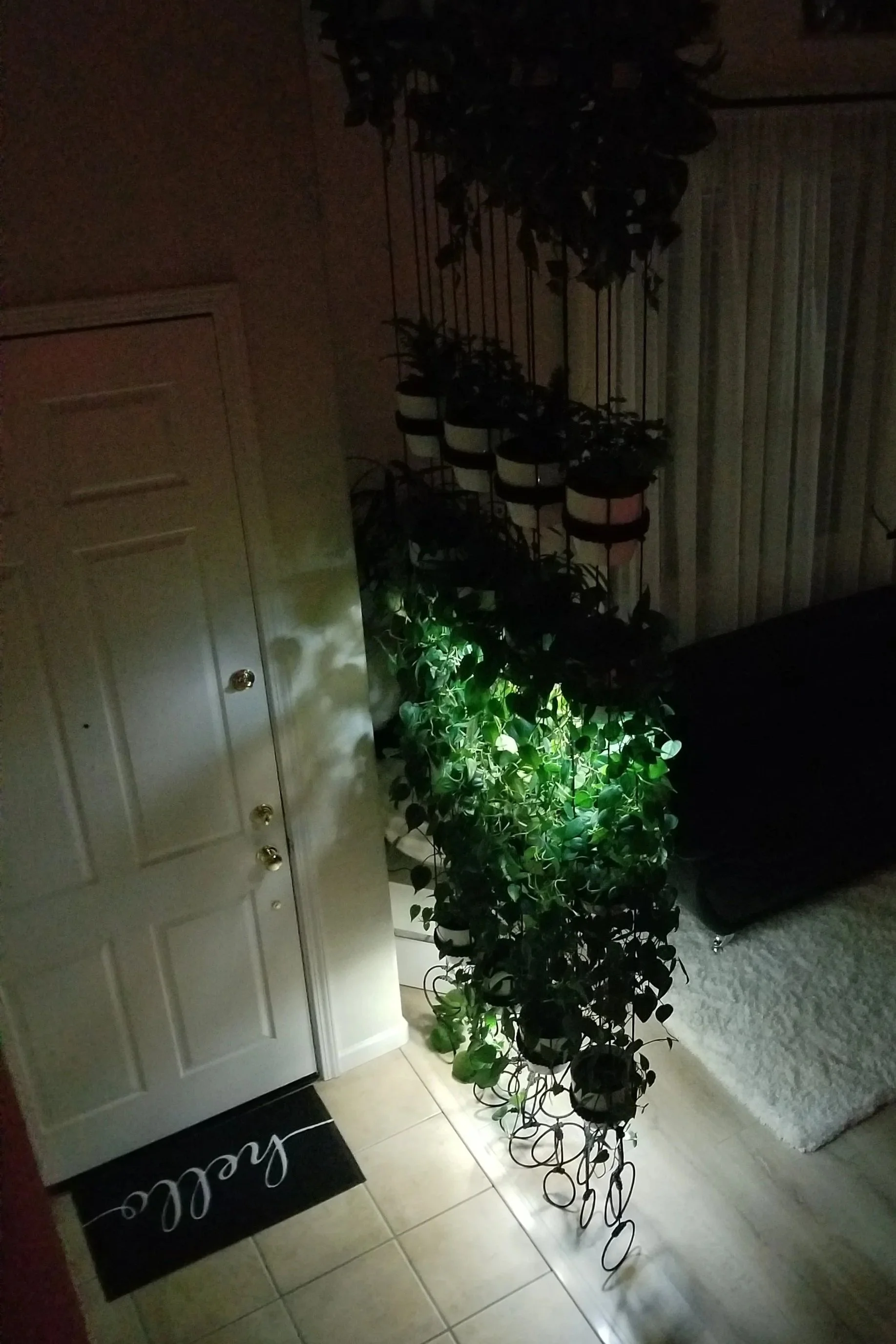
What if I hung several planters in a row — not along the wall, but perpendicular to it?
One planter became several.
Several became a line.
And suddenly, plants could do what the screens and furniture couldn’t:
divide the room without closing it.
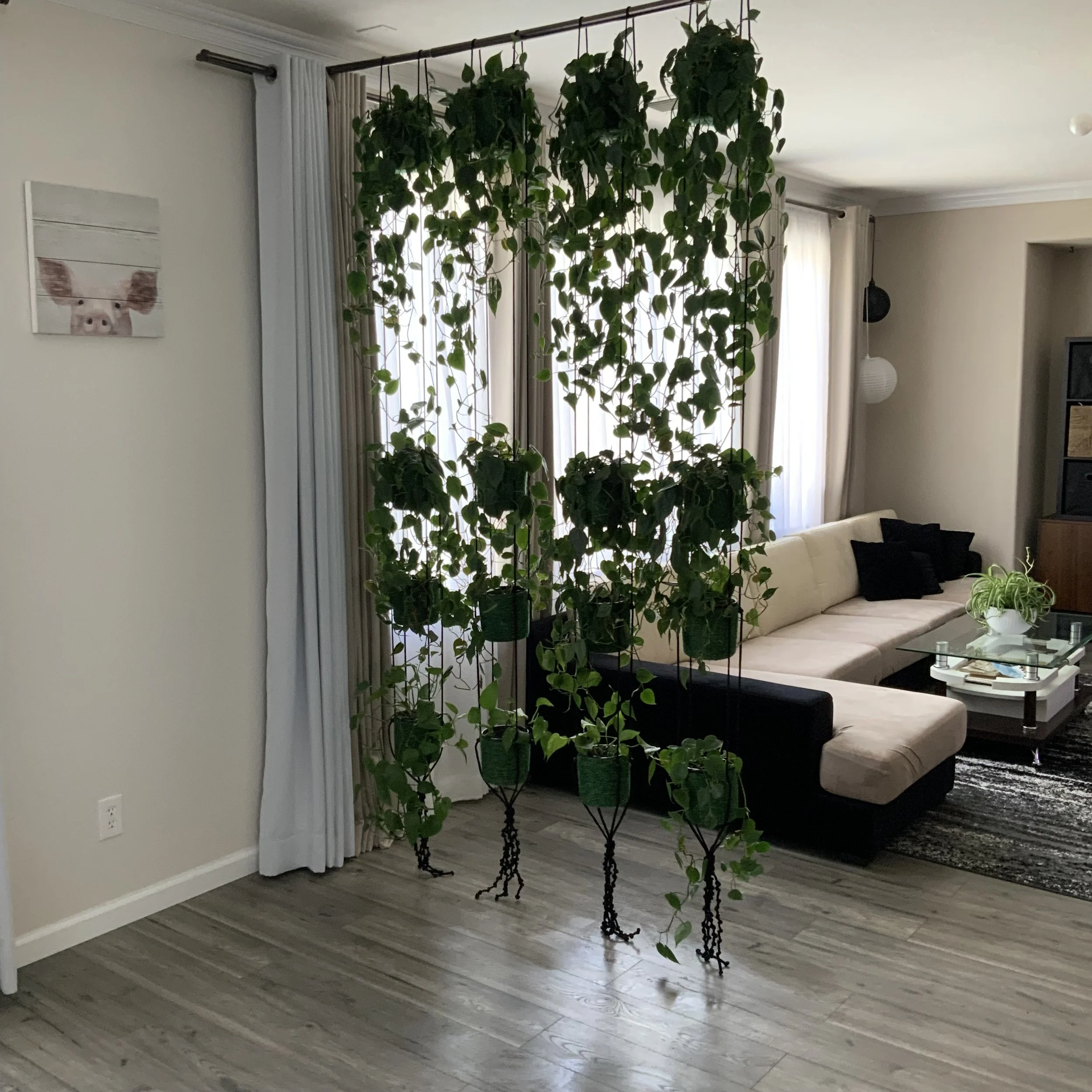
5. WHAT IF I HUNG THEM DIFFERENTLY?
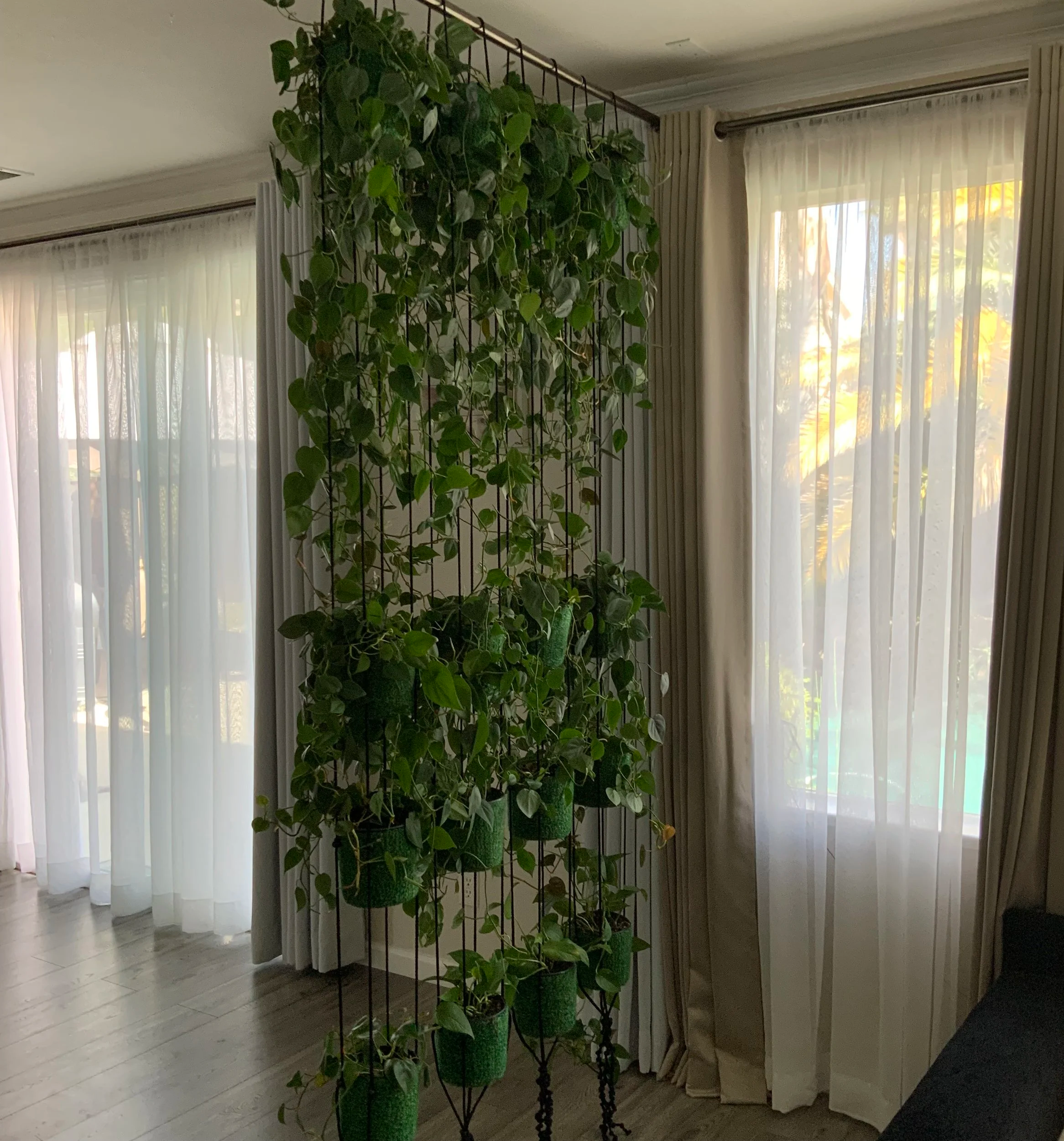
It wasn’t very flexible.
The distance between the plants was fixed.
I couldn’t move them up or down.
I couldn’t turn them toward the light or position them at different angles.
It worked — but only in one way.
Still, the basic idea was there: instead of using more floor space, grow upward.
Years later, that simple planter became the starting point for something much bigger.
6. THEN I WANTED IT TO ADAPT.
Plants don’t stay the same.
They grow.
They spread.
They reach for the light — and eventually, mine started growing into one another.
Their needs changed with the seasons, too.
During the warmer months, when they needed water more often, I wanted to keep them lower and closer to me. It wasn’t always the most beautiful arrangement — but for a few months, I was perfectly willing to trade a little symmetry for convenience.
And when watering became less frequent, I could move them higher again and restore the composition.
So I started thinking:
What if the plants didn’t have to stay in one place?
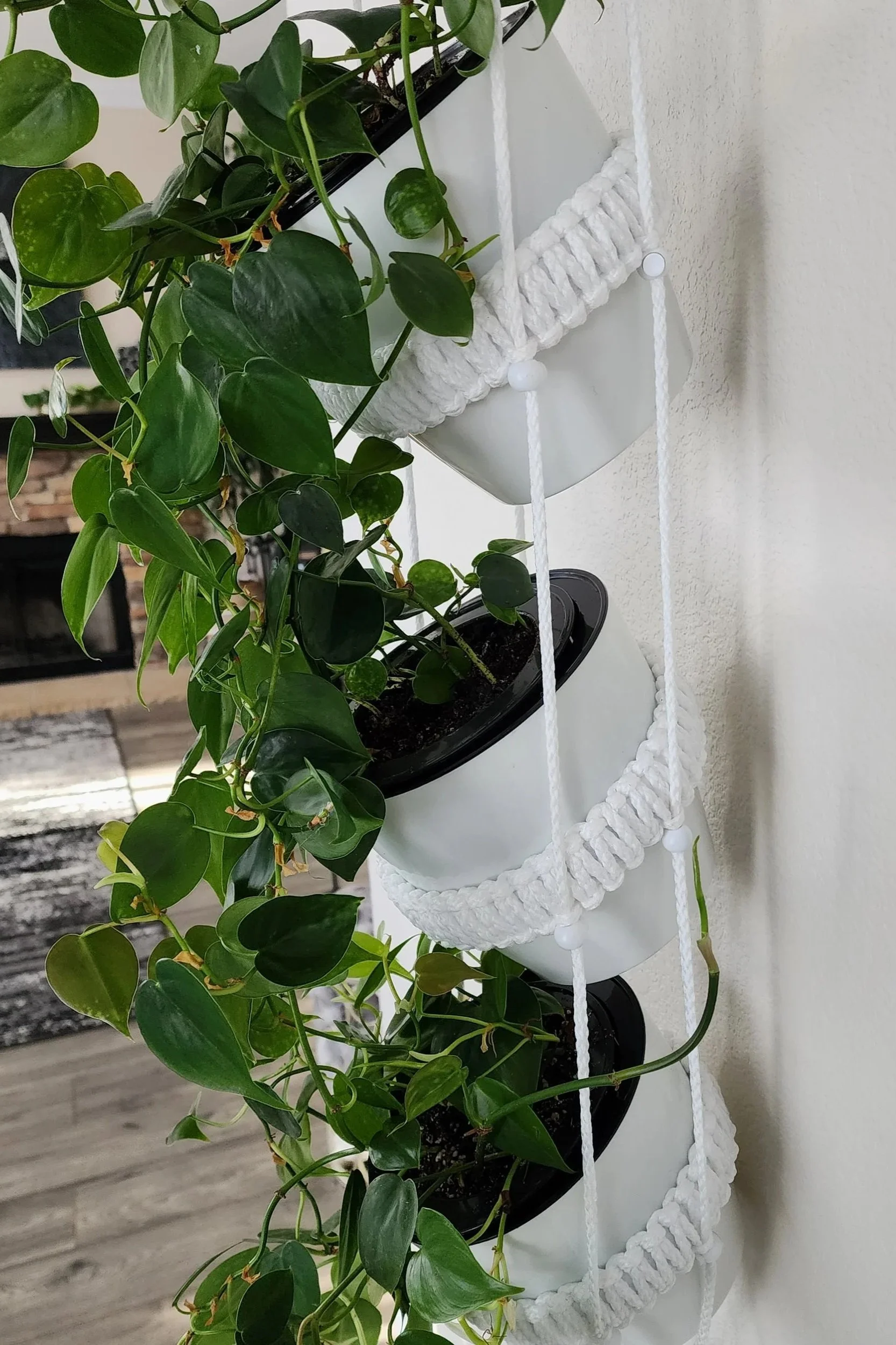
I wanted to adjust the distance between them as they grew.
Move them up or down with the seasons.
Bring them closer when they needed more care.
I wanted the system to adapt to the plants — and to me.
And that is how the adjustable layout became part of the design.
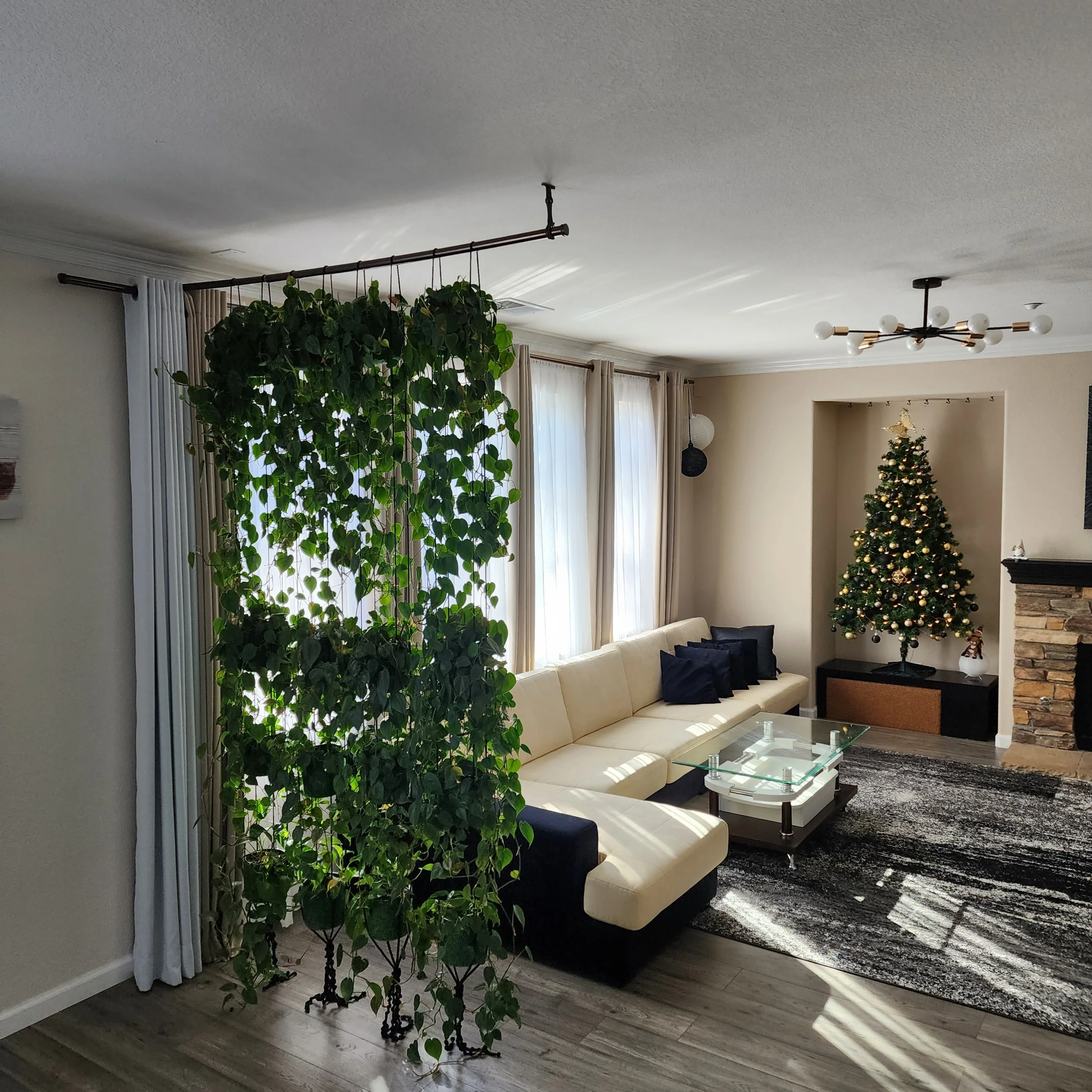
7. BUILT FROM LIVING WITH IT
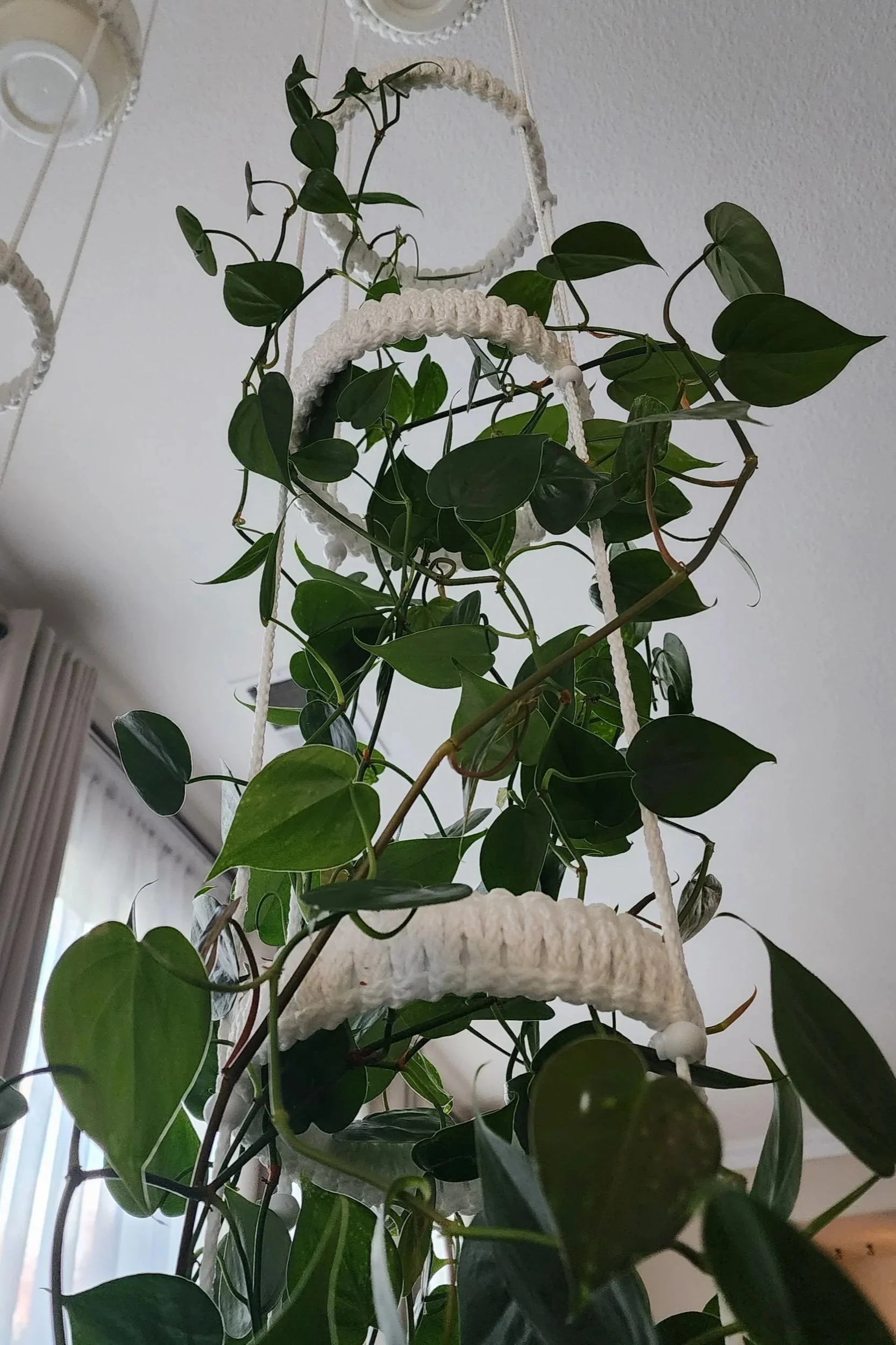
The planters I make today are the result of years of actually living with plants this way.
Every small detail came from something I wanted to make easier.
Self-watering pots appeared after I realized how much simpler plant care could be when the plants had their own reserve of water — especially when we traveled.
Open holders made it easy to lift a pot out whenever it needed feeding, repotting, or a little extra attention, then simply put it back.
Nothing was added just to make the system more complicated.
Each detail solved a real problem.
8. AND THEN I SHARED IT
I never set out to create a product.
I was simply trying to solve a problem in my own home.
But people saw the planters, asked about them, and eventually I began making them for others. One version in particular became my best-selling planter on Etsy.
After making it again and again, I decided to share more than the finished object.
I documented the entire process and created a detailed tutorial showing exactly how I make it — from the first cords to the finished adjustable planter.
So if you like the idea but would rather make your own, you can.
That is how Zen Your Space began — not as a collection, but as a way of solving the spaces I actually live in.
Make more room. Bring nature inside.
And make the space work for you.